Sleep Apnea
Sleep apnea is a serious sleep disorder that interrupts your breathing during sleep, making it difficult to get the deep, restorative sleep your body needs. At MacPhail Signature Smiles, we understand how this condition can impact your daily life and long-term health. Dr. MacPhail, DDS, and our dedicated team offer effective dental solutions to help you breathe easier and sleep better, so you can wake up feeling energized and refreshed.
Understanding Sleep Apnea
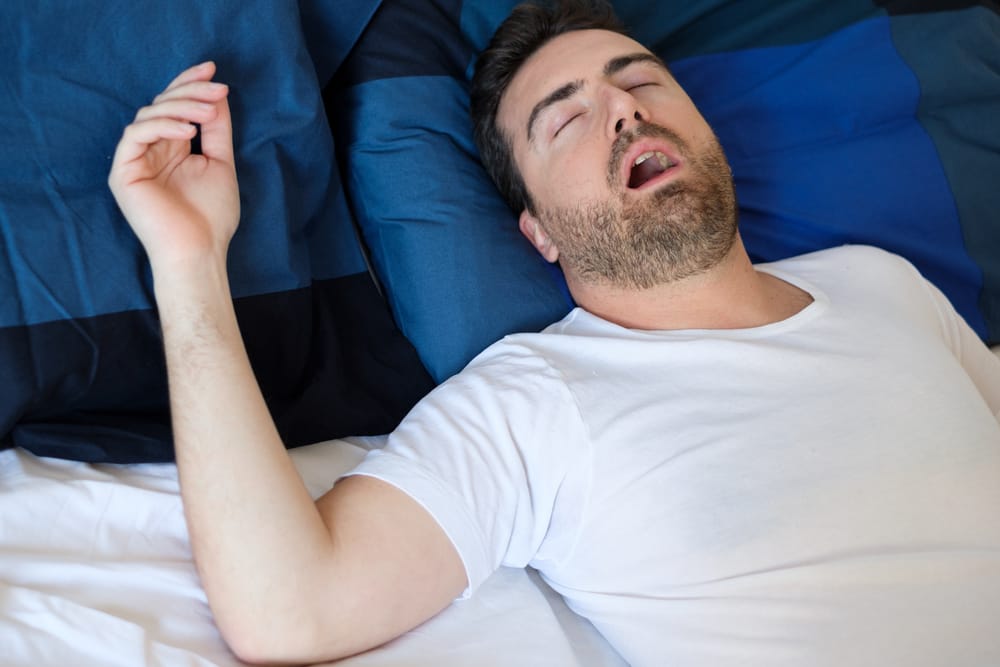
Sleep apnea is characterized by repeated breathing interruptions during sleep, which can occur hundreds of times throughout the night. These pauses lower your blood oxygen levels and fragment your sleep cycle, leaving you exhausted even after a full night’s rest.
Common symptoms include loud snoring, gasping or choking sounds, morning headaches, excessive daytime sleepiness, poor concentration, and decreased performance at work. Without proper treatment, sleep apnea can contribute to serious health issues, including high blood pressure, heart disease, stroke, diabetes, and depression.
Serving areas of Okemos, Lansing, and East Lansing, MI
Approximately 13 million people across the United States suffer from obstructive sleep apnea, also called OSA. It is estimated that 4 percent of men and 2 percent of women over 35 years of age suffer from OSA. It is a serious sleep disorder where the victim stops breathing, multiple times, for 10 seconds or longer while sleeping. It is a fairly common condition, although many individuals are unaware that they have it since they are asleep when it occurs.
Read More
This cessation in breathing, or apnea episode, can be a minute or longer in duration and might be repeated as many as a hundred times or more during a single night. The frequent arousals and the inability to achieve or maintain deeper stages of sleep are the main factors that contribute to the debilitation of one’s health.
We provide take-home sleep tests to evaluate your sleep pattern to help diagnose if patients are a candidate for an oral sleep appliance. You take the sleep tests at your convenience in your bed and they are easy to use. We offer an appliance to those who have sleep apnea.
Symptoms & Health Risks of Sleep Apnea
The health risks of obstructive sleep apnea are multi-faceted. Besides being drowsy, fatigued, with lowered energy levels during the day, sleep apnea patients are subject to a variety of negative health issues and social problems due to sleep deprivation.
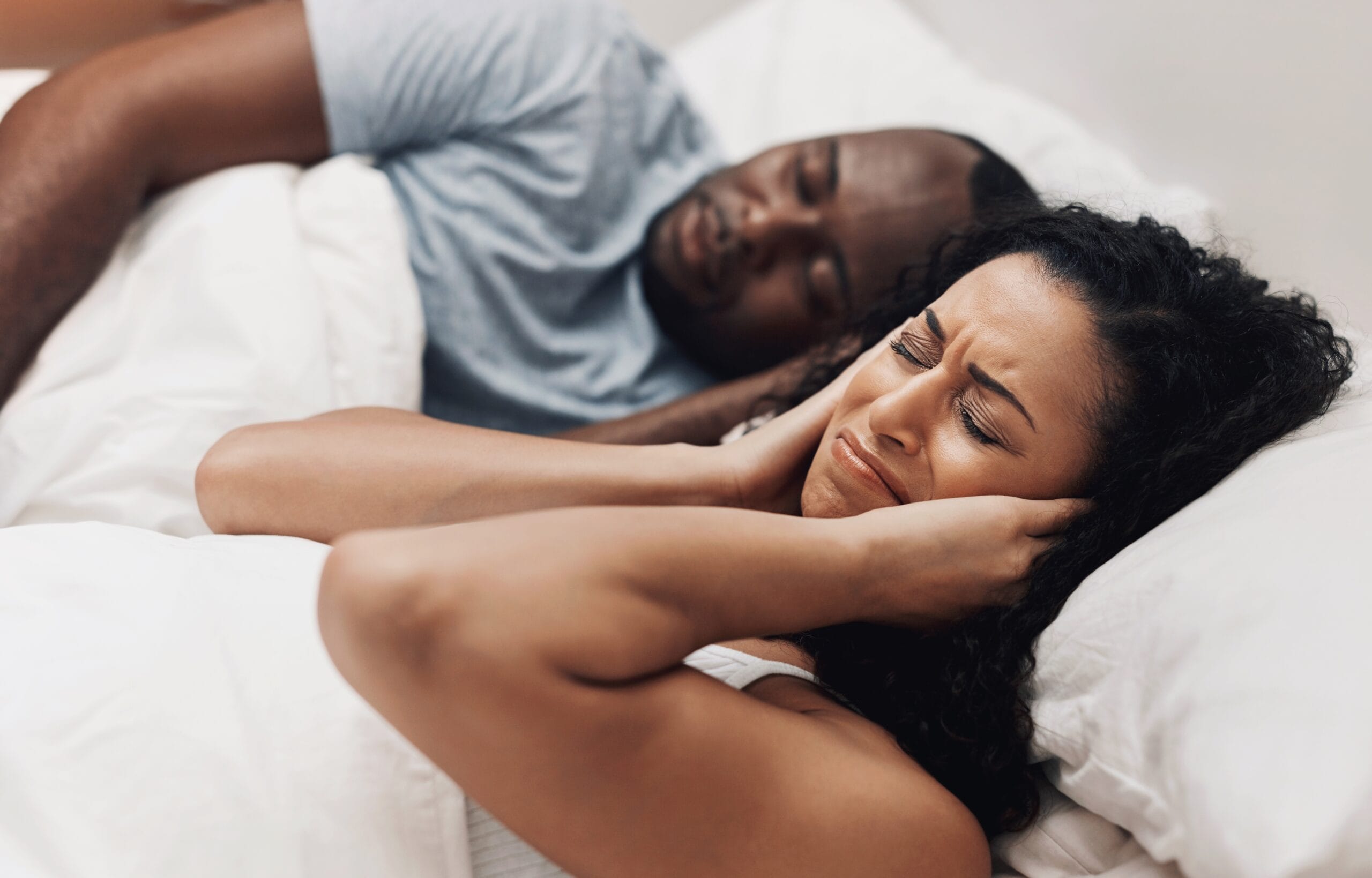
Some of the obvious signs suggesting obstructive sleep apnea (OSA) are loud snoring, obesity, morning headaches, dry mouth, and frequent urination during the night. Other symptoms include nighttime indigestion, problems with memory and concentration, daytime sleepiness, depression, irritability, night sweats, and a decreased sex drive.
Left untreated, obstructive sleep apnea can also contribute to high blood pressure, hypertension, heart attacks, and strokes. Equally dangerous is driving an automobile while being drowsy. Each year, thousands of lives are lost due to sleep deprived drivers.
Obstructive sleep apnea is now more common in the U.S. than was previously thought; however, OSA responds well to therapy.
Benefits of Sleep Apnea Treatment
Our Sleep Apnea Treatment Process
Comprehensive Evaluation
Dr. MacPhail, DDS conducts a thorough assessment of your sleep apnea symptoms and breathing patterns during sleep. We examine your oral structures and airway to identify potential obstructions that may be causing your sleep apnea. If you haven’t had one already, we may recommend a sleep study to better understand the severity and nature of your sleep apnea.
Personalized Treatment Options
Based on your evaluation results, Dr. MacPhail, DDS creates a customized treatment plan that addresses your specific type and severity of sleep apnea. We consider your anatomical features, lifestyle, and preferences when recommending the most effective oral appliance therapy options. Your treatment plan includes clear timelines and expected outcomes to help you make informed decisions about your care.
Custom Oral Appliance Creation
Using precise measurements and impressions, we create a custom-fit appliance made just for your mouth. This custom device works by slightly repositioning your jaw or tongue to maintain an open airway throughout the night. Dr. MacPhail, DDS ensures proper fit and comfort during your fitting appointment, with simple instructions to help you get the best results.
Device Care Instructions
Taking care of your oral appliance helps it last longer and work better. Dr. MacPhail, DDS and our team provide specific cleaning protocols and storage recommendations to keep your device in optimal condition. We also suggest complementary lifestyle adjustments, such as sleep positioning techniques and establishing consistent bedtime routines that enhance your treatment results.
Regular Progress Monitoring
Dr. MacPhail, DDS schedules periodic check-ups to assess your improvement and make any necessary adjustments to your oral appliance. These appointments allow us to address any concerns and ensure you’re experiencing the full benefits of your treatment. We measure success by improvements in your sleep quality, energy levels, and overall health rather than just technical measurements.
Sleep Apnea Treatment in Dr. MacPhail’s Office
Depending upon the type and severity of the sleep apnea, there are various treatment options available to patients who suffer from this condition. Losing weight is a common remedy for obstructive sleep apnea since it reduces overall fatty tissue around the airway. When sleep apnea is diagnosed through a home sleep study, Dr. MacPhail provides treatments such as positional therapy, corrective surgery, and/or an oral appliance. Each has its own advantages. While CPAP therapy is beneficial, recent advances in technology have provided a more permanent and corrective solution to the problem, and oftentimes a solution that can work alongside CPAP.
Read More
The signs and symptoms of sleep apnea:
- Loud snoring
- Gasping for air, or choking sounds followed by silence
- Morning headaches
- Un-refreshing sleep
- Excessive daytime sleepiness
- Poor concentration
- Falling asleep while driving
- Decreased performance at work
- Reduced interest in sex


Why Choose Our Sleep Apnea Solutions
At MacPhail Signature Smiles, we bring specialized expertise in dental sleep medicine to help you overcome the challenges of sleep apnea. We stay up to date with the latest in dental sleep medicine in oral appliance therapy, ensuring you receive the most effective, comfortable treatment options available. We take a patient-centered approach, listening carefully to your concerns and collaborating with your other healthcare providers when necessary for comprehensive care.
What sets us apart is our commitment to finding solutions that work with your lifestyle. We understand that the best treatment is one you’ll actually use consistently, so we focus on creating comfortable, effective oral appliances that you can easily incorporate into your nightly routine. Our patients appreciate our thorough follow-up care and the life-changing results they experience through improved sleep quality.
Breathe Easier, Sleep Better – Starting Today
Don’t let another night of poor sleep impact your health and quality of life. Sleep apnea is a serious but treatable condition. Dr. Dr. MacPhail, DDS and the team at MacPhail Signature Smiles are ready to help you overcome sleep apnea with effective dental solutions. Give us a call at 517-347-6733 or visit our Facebook and Instagram pages to schedule your consultation today.
FAQs
What is sleep apnea?
Sleep apnea is a serious sleep disorder characterized by repeated interruptions in breathing during sleep. These interruptions occur when throat muscles relax and block your airway, preventing oxygen from reaching your lungs. The brain briefly wakes you to reopen the airway, disrupting your sleep quality and reducing oxygen levels in your body.
Can sleep apnea kill you?
While sleep apnea itself rarely causes sudden death, untreated sleep apnea significantly increases your risk of life-threatening conditions like heart attacks and strokes. The chronic oxygen deprivation stresses your cardiovascular system, contributing to high blood pressure and heart arrhythmias. Proper treatment substantially reduces these risks, highlighting the importance of seeking help for sleep apnea symptoms.
What causes sleep apnea?
Sleep apnea is most commonly caused by excess weight, creating fat deposits around the upper airway, narrowing breathing passages. Anatomical features like a naturally narrow throat, enlarged tonsils, recessed chin, or small jaw can also predispose you to sleep apnea. Other risk factors include family history, being male, being over 40, smoking, alcohol consumption, and certain medical conditions like hypothyroidism.
How to tell if you have sleep apnea?
Common signs include loud snoring, witnessed breathing pauses during sleep, gasping upon awakening, and waking with a dry mouth or sore throat. Daytime symptoms include excessive sleepiness, morning headaches, difficulty concentrating, irritability, and decreased libido. A definitive diagnosis requires a sleep study, either at home or in a sleep lab recommended by Dr. MacPhail, DDS.
Can sleep apnea be cured?
Sleep apnea can be effectively managed and sometimes resolved completely depending on its underlying cause. For weight-related sleep apnea, significant weight loss can sometimes eliminate the condition, while surgical procedures can provide permanent solutions for certain anatomical issues. However, many patients require ongoing management through oral appliance therapy or CPAP machines to control symptoms and prevent health complications.
Is sleep apnea genetic?
Research suggests that sleep apnea does have a genetic component, with family history being a recognized risk factor. You may inherit physical traits that predispose you to sleep apnea, such as facial structure, jaw size, or body fat distribution patterns. However, lifestyle choices, weight management, and other environmental factors significantly influence whether someone with a genetic predisposition actually develops sleep apnea.
Can an Oral Appliance Help Prevent Snoring?
Absolutely! One of the new oral airway dilator devices are very user-friendly and can solve your snoring problems.
How Serious Is Sleep Disordered Breathing?
Depending upon its severity, sleep disordered breathing (OSD) has been linked to hypertension, heart disease and stroke, depression, sexual dysfunction, family discord, accidents, and increased mortality rates.
I Suspect My Spouse Has Sleep Apnea; What Should I Do?
Encourage your spouse to read about the seriousness of sleep apnea. Assure him/her that the condition is completely treatable with excellent success rates; urge them to contact Dr. MacPhail and schedule an appointment for a home sleep study and a screening at 517-347-6733.
We provide take home sleep tests to evaluate your sleep pattern to help diagnose if patients are a candidate for an oral sleep appliance. You take the sleep tests at your convenience in your bed and they are easy to use.
What’s an Oral Airway Dilator?
An oral airway dilator is one of several generic terms used to describe an FDA approved oral appliance. The intraoral appliances are custom-made by dentists to treat snoring and obstructive sleep apnea.
What Other Treatment Options Are Available For Sleep Apnea?
The simplest remedies for treating sleep apnea include weight loss and behavioral modifications, such as changing sleeping positions and avoiding alcohol or heavy meals after 8 p.m. Other interventional therapies being used are CPAP/BiPAP, surgery, somnoplasty, oral appliances, and herbal remedies. Recently, developments of oral maxillary complex with controlled arch orthodontics offers a more permanent solution.
Compared To CPAP, How Effective Is An Oral Airway Dilator?
When indicated, a dental appliance is an effective therapy for mild to moderate sleep apnea. Advancements in appliance designs have greatly improved their dependability from earlier versions. In many cases, for people who cannot tolerate wearing the CPAP, an oral airway dilator has been just as effective as CPAP without its inconvenience or discomfort. Oral appliances are endorsed and accepted by patients and medical professionals.
I Really Dislike Wearing the CPAP Mask; How Can I Obtain a Dental Appliance?
If you are unable to adjust to wearing your CPAP mask, the first step is to tell your physician and request that they refer you to Dr. MacPhail. Dr. MacPhail will perform a comprehensive exam of the head, neck, gums, and airway. She will take measurements as well as determine jaw positioning and other physical attributes in order to create a custom appliance based on your individual needs.
How Do I Know if I am a Candidate for an Oral Appliance?
If you snore, wake up often during the night, suffer from headaches in the morning, experience sleepiness frequently during the day, or you’re if intolerant of CPAP, you could benefit substantially with an oral appliance. Contact us to schedule a clinical evaluation and Dr. MacPhail will provide testing to determine whether you’re a candidate. We provide take home sleep tests to evaluate your sleep pattern to help diagnose if patients are a candidate for an oral sleep appliance. You take the sleep tests at your convenience in your bed and they are easy to use.
How Do I Care for My Oral Appliance?
Once they’re properly fitted and adjusted, custom made appliances (using high-quality materials) are durable, portable, and easy to use and maintain. Following brushing your teeth, you should brush your oral appliance and return it to its protective case out of reach of small children and pets. Then, once per week, soak it in denture cleanser during the day to remove any micro bacteria build-up that could cause odor or stains.
What Are The Benefits of An Oral Appliance?
All oral appliances attempt to dilate or open the airway to relieve snoring or OSA. They are really great for patients who cannot tolerate the CPAP mask or just snore. The oral appliance proves to be more comfortable and allows your body to help breath on its own, strengthening the muscles associated with proper physiologic breathing. There is excellent patient acceptance. It is non-surgical, conservative, and moderate in cost, and it is user-friendly.
How Long Will It Take To Get My Dental Appliance?
Creating a custom dental sleep apnea appliance usually requires two appointments. The first appointment is to take impressions, and the second will be to fit the appliance.